

No items found.
Restoration of eroding estuarine shorelines through hydrodynamic modeling, habitat design, and nature-based infrastructure. Integrated removal of hardened surfaces and reconnection of tidal systems to enhance resilience, recreation, and ecological performance in Perdido Bay.
The Nature Conservancy (TNC), in partnership with the Alabama Department of Conservation and Natural Resources, Naval Air Station (NAS) Pensacola, and the Pensacola and Perdido Bays Estuary Program, initiated a large-scale effort to restore eroding shorelines and habitat within the Perdido Bay estuarine system.
Following funding through the NOAA Transformational Habitat Grant, the project focused on two areas of the bay: Lillian Swamp (Alabama) and Bronson Field (Florida).
At Bronson Field — a former seaplane facility now used for military recreation — the project expanded beyond shoreline stabilization to include restoring hydrologic connections to Tarkiln Bayou and rethinking recreational access along the bayfront.
TNC assembled an interdisciplinary team led by Moffatt & Nichol to conduct field investigations, hydrodynamic and sediment modeling, permitting, and engineering. Waggonner & Ball led the design charrette process, facilitating workshops that aligned agency partners, scientists, and designers around a shared understanding of the site’s ecological, cultural, and operational dynamics.
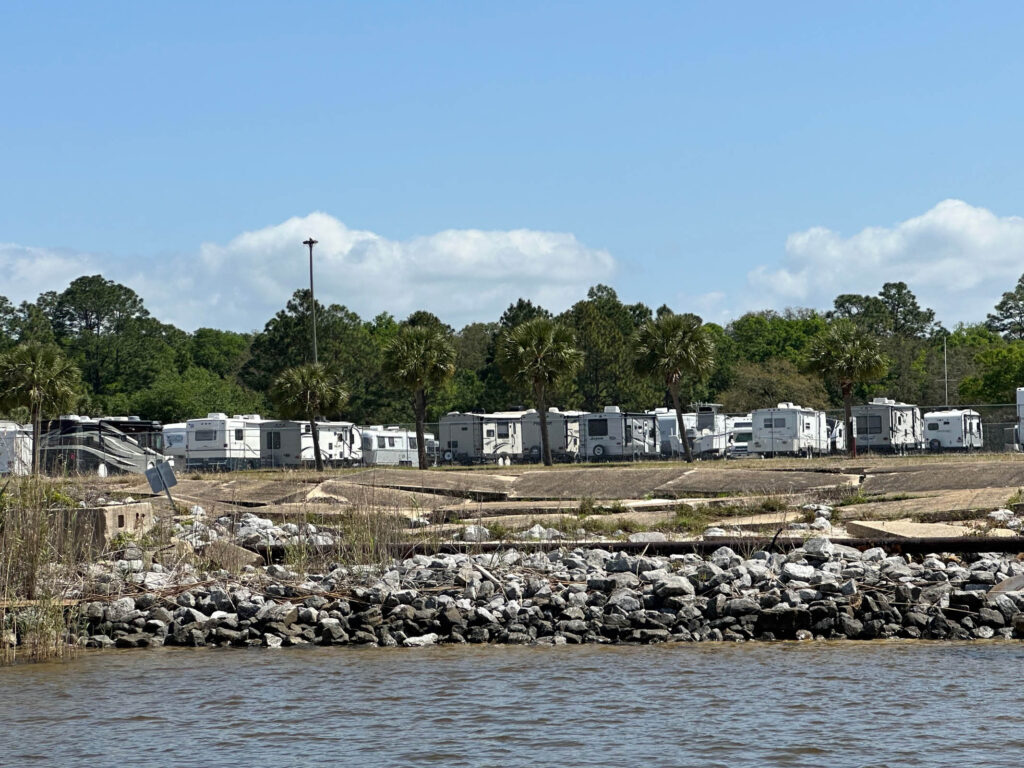
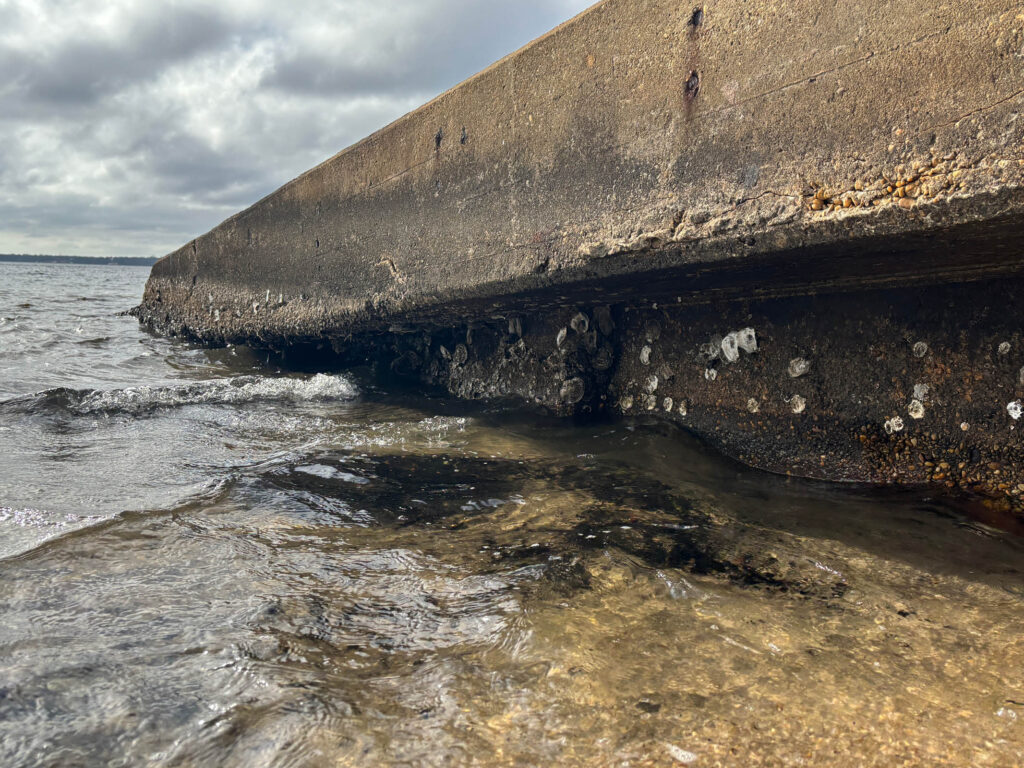
These collaborative sessions reframed the site’s challenges — hardened embankments, degraded concrete tarmac, riprap shorelines, and abandoned seaplane ramps — as opportunities for integrated design.
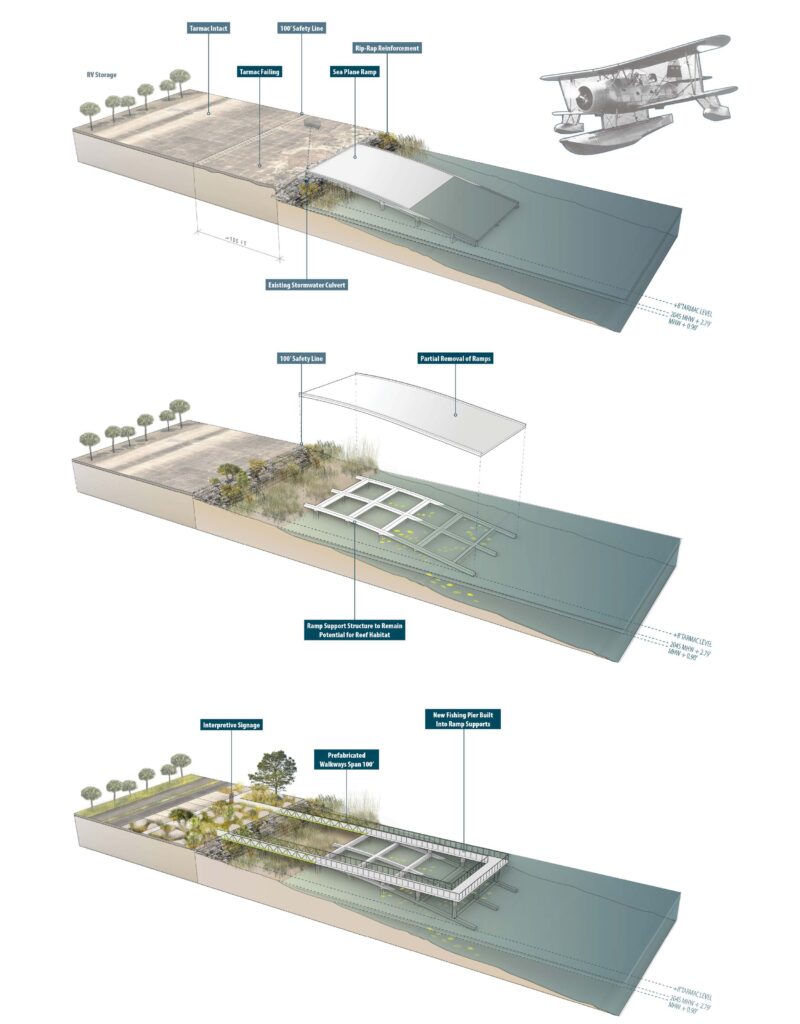
Hydrodynamic modeling and sediment budget analysis informed the evaluation of restoration alternatives generated through the workshops. The preferred strategy proposed the strategic removal of degraded concrete tarmac to the established safety line, removal of riprap, and restoration of natural shoreline processes.
Historic seaplane ramps, once purely utilitarian infrastructure, were reconsidered through the charrette process as multi-functional elements capable of supporting habitat creation, sediment management, and new recreational experiences.
De-paving and material reuse transformed impervious surfaces into permeable, vegetated landscapes — reducing heat-island effects, improving stormwater infiltration, and enhancing ecological performance.

No items found.
Client
The Nature Conservancy
Year
2024 - Ongoing
Awards
Alabama Department of Conservation & Natural Resources Naval Air Station Pensacola
Pensacola & Perdido Bays Estuary Program