
No items found.
A vision that unites centuries of cultural history with a renewed, resilient landscape.
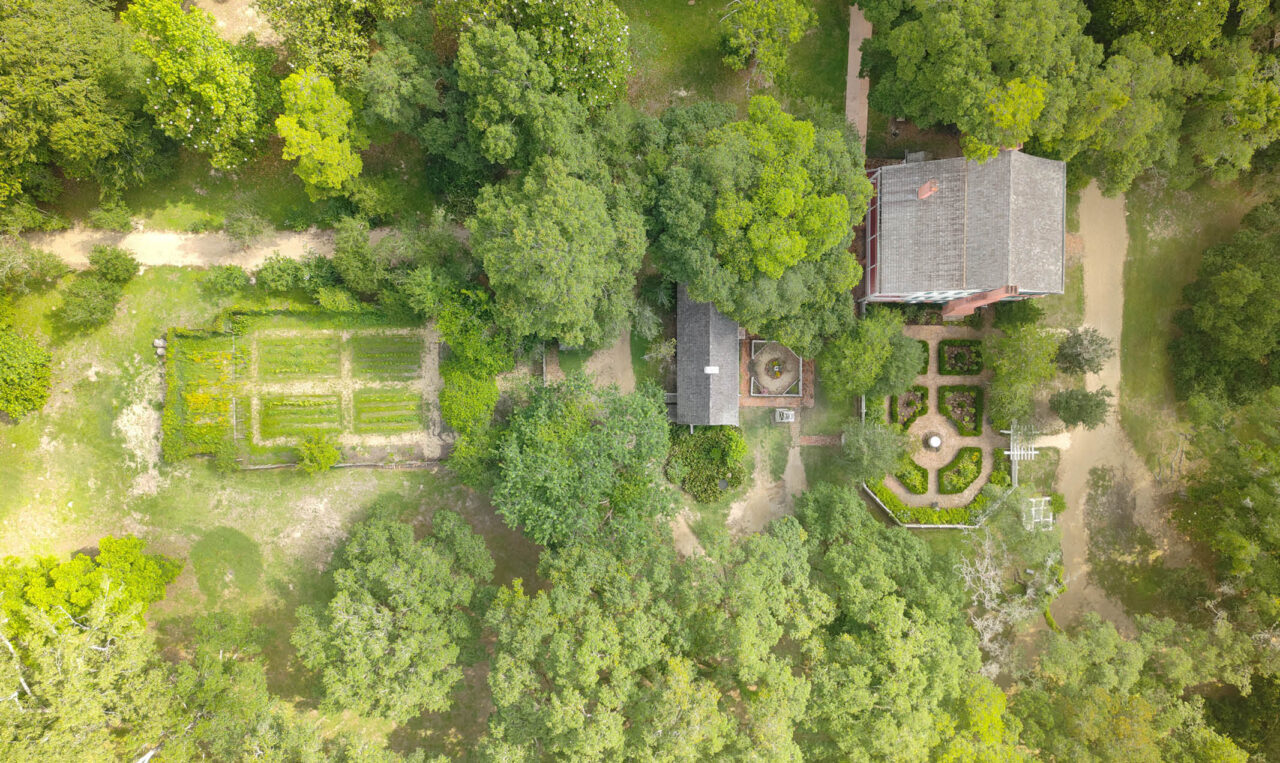
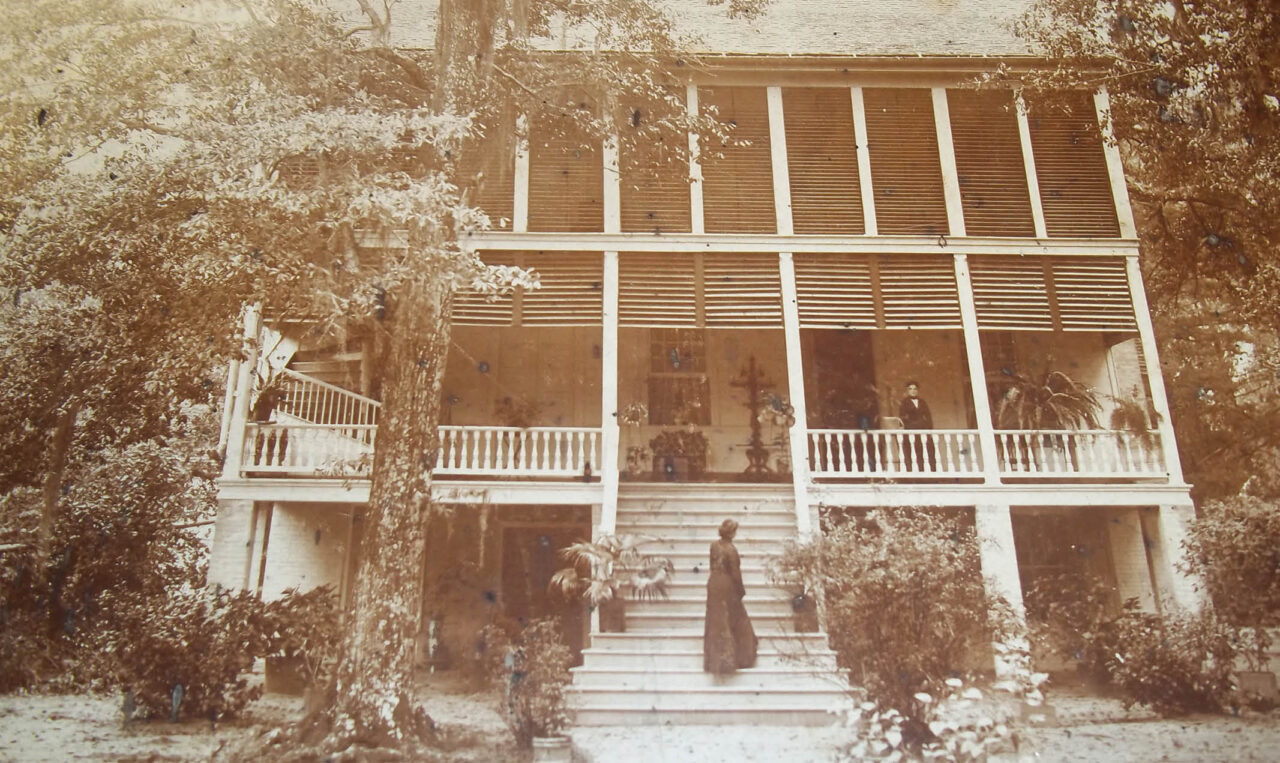
In the summer of 1821, John James Audubon arrived at Oakley Plantation near St. Francisville, Louisiana, as an itinerant tutor to a wealthy family. Four months later, he left with a pile of drawings and a bold creative vision that became the richly rendered “elephant folio” Birds of America, a touchstone of American identity and naturalism. Today, the Audubon State Historic Site is a landscape shaped by observation and transformation. When John James Audubon arrived at Oakley in 1821, the United States was newly expanded and still defining itself, and natural history offered a way to understand the nation through its landscapes. At Oakley, Audubon’s work as an artist and naturalist emerged directly from close study of the land—its forests, fields, waterways, and birdlife—during a formative moment in American naturalism.
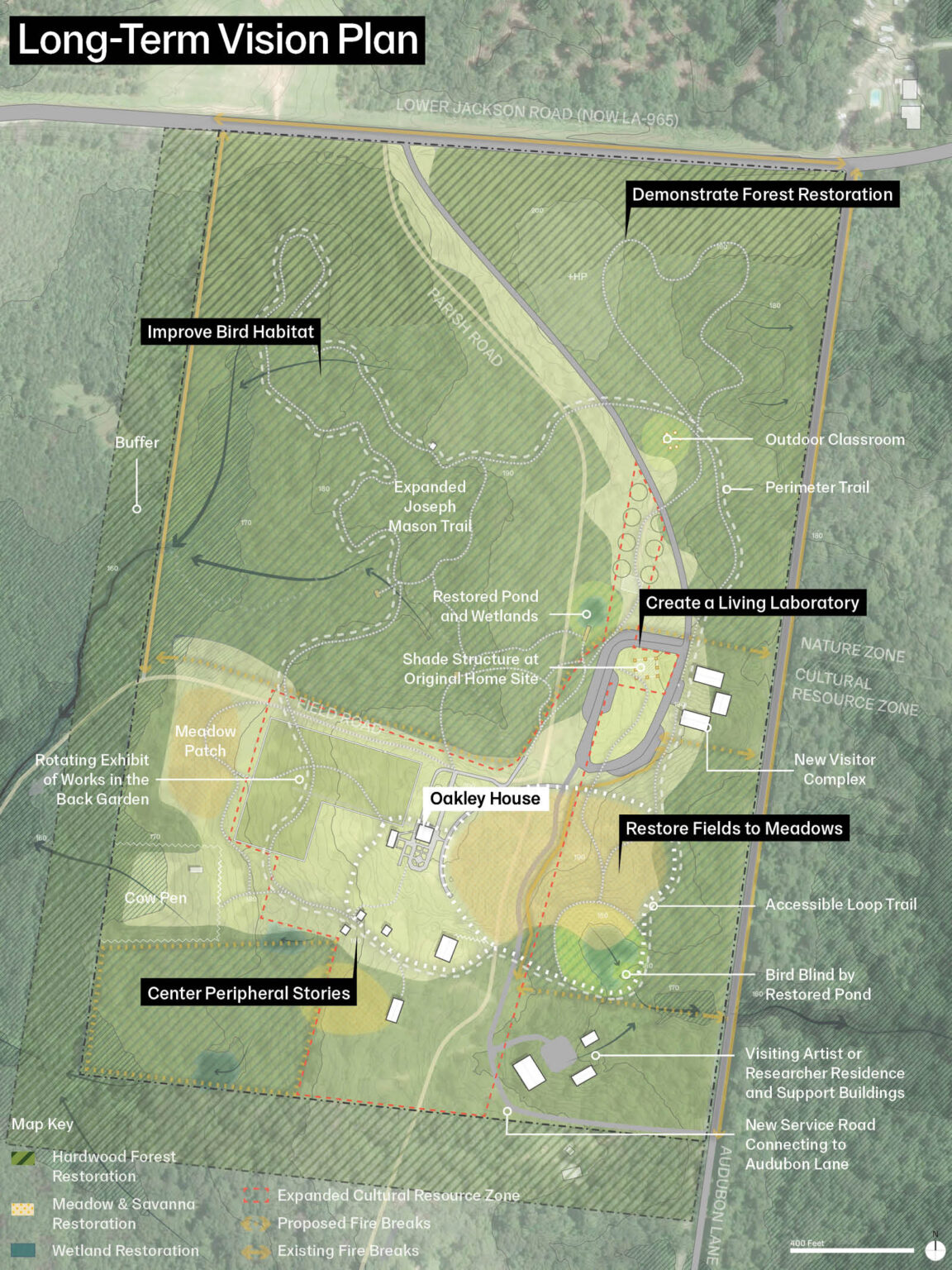
Developed in collaboration with Louisiana State Parks and the Friends of Oakley, with support from Biohabitats, the Vision Document establishes a framework for amplifying the “Audubon Experience” through ecological restoration, interpretation, and long-term stewardship. The vision treats the landscape itself as the primary medium—both as the subject of Audubon’s work and as the foundation for contemporary engagement.
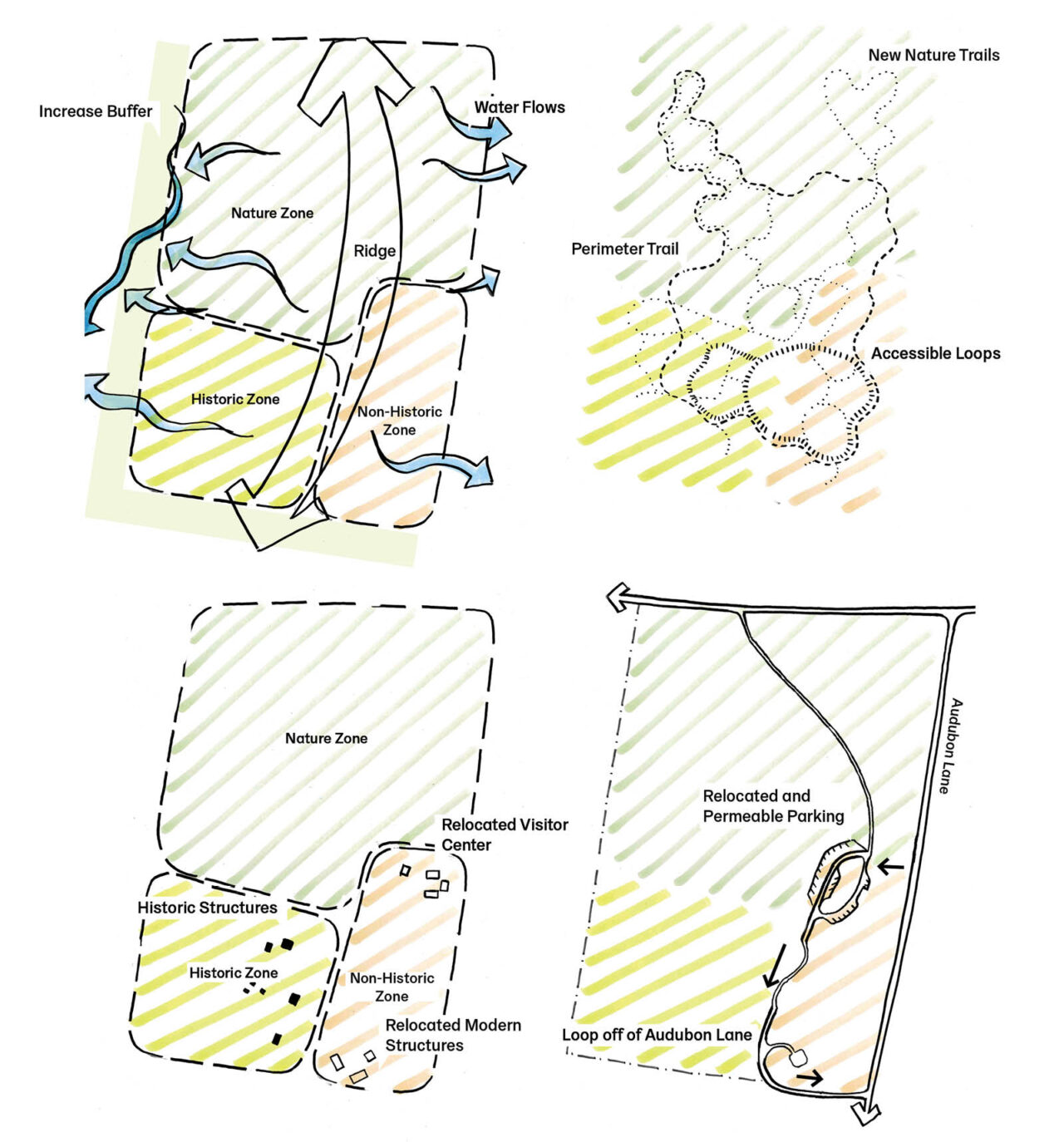
Rather than recreating a fixed version of the landscape as it appeared in 1821, the project embraces a productive tension between historical reference and future resilience. Audubon’s drawings become a lens for understanding ecological change over time, informing restoration strategies that heal land altered by agriculture and land use while supporting present-day habitat needs. Meadows, wetlands, and managed forests are reintroduced to strengthen biodiversity, address erosion and stormwater, and reduce wildfire risk.
Through accessible trails, restored habitats, and opportunities for artistic and scientific inquiry, the Audubon Experience becomes immersive and evolving—inviting visitors to observe, reflect, and learn from a landscape that continues to adapt, much as it did during Audubon’s time.
No items found.
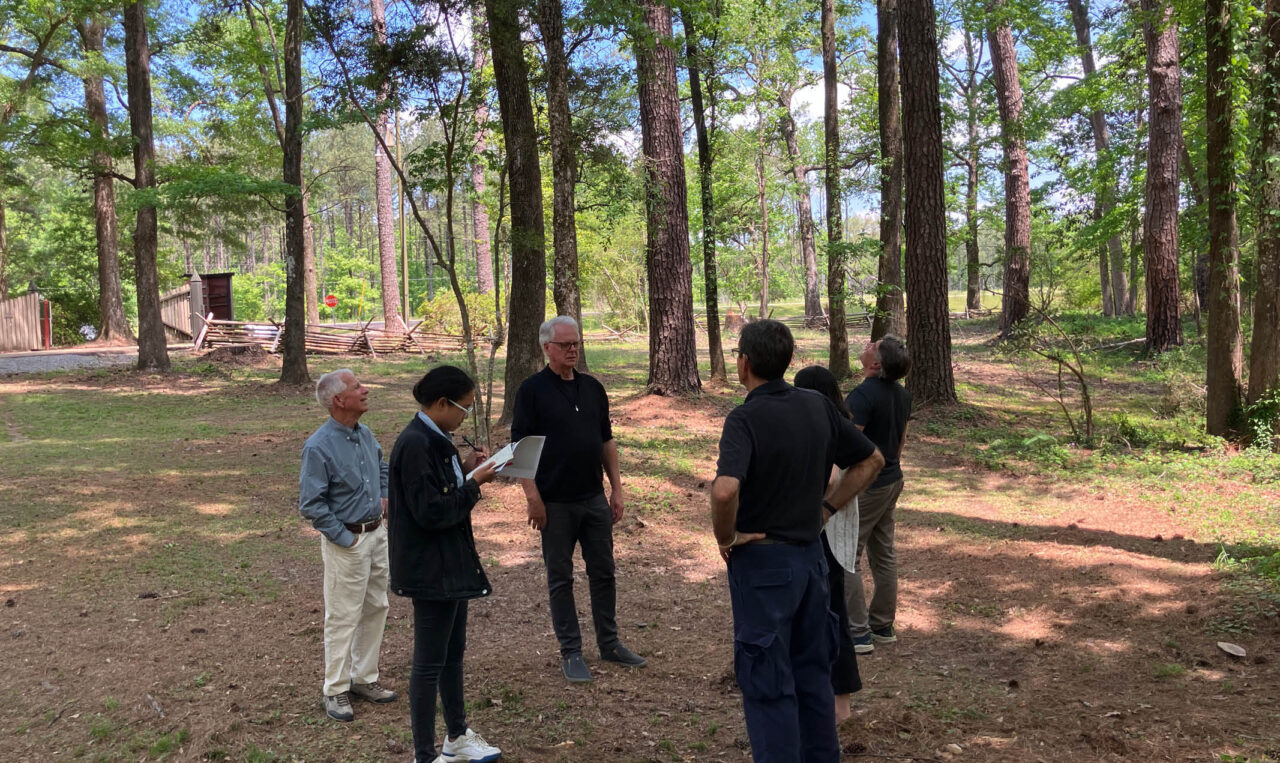
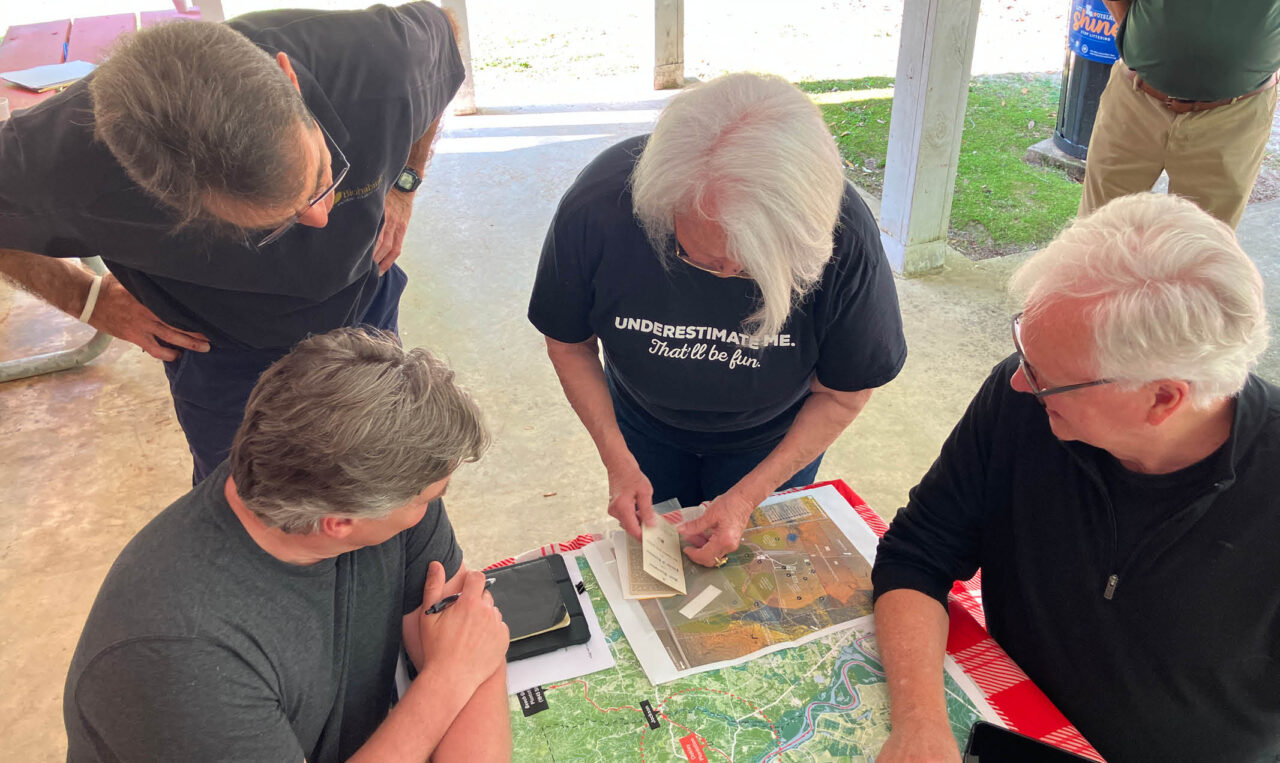
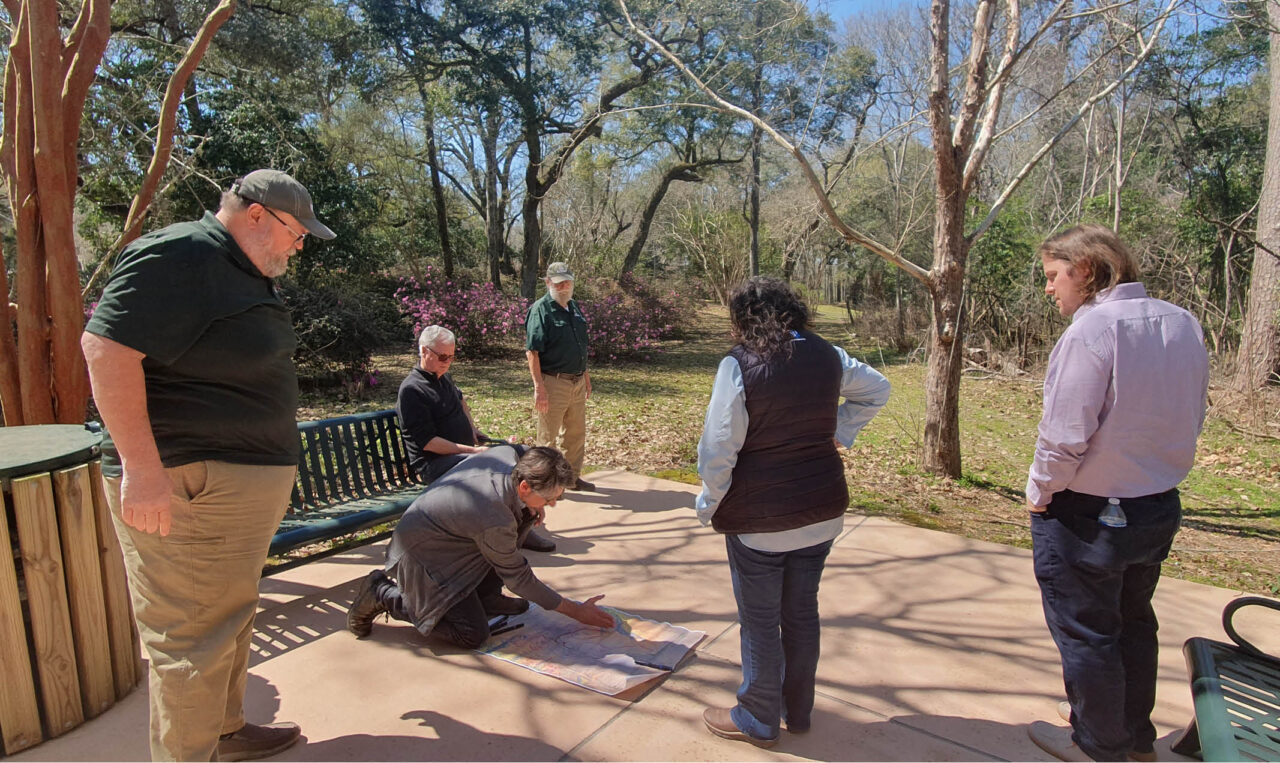
The team collaborated with the Friends of Oakley group to host on-site, in-person design workshops to create organizing principles, define opportunities and constraints, and integrate past planning efforts into a long-term and collective vision for the site. Parti sketches demonstrate organizing principles that create a coherent framework for the integration of ecological restoration and expanded visitor engagement across the three zones of the site – Nature, Historic, and Non-Historic. Together these elements combine to achieve an integrated, long-term vision for the “Audubon Experience.”
Client
The Historic New Orleans Collection
Year
2019